Rock driveways and grading
Rock and gravel driveways in Brevard County
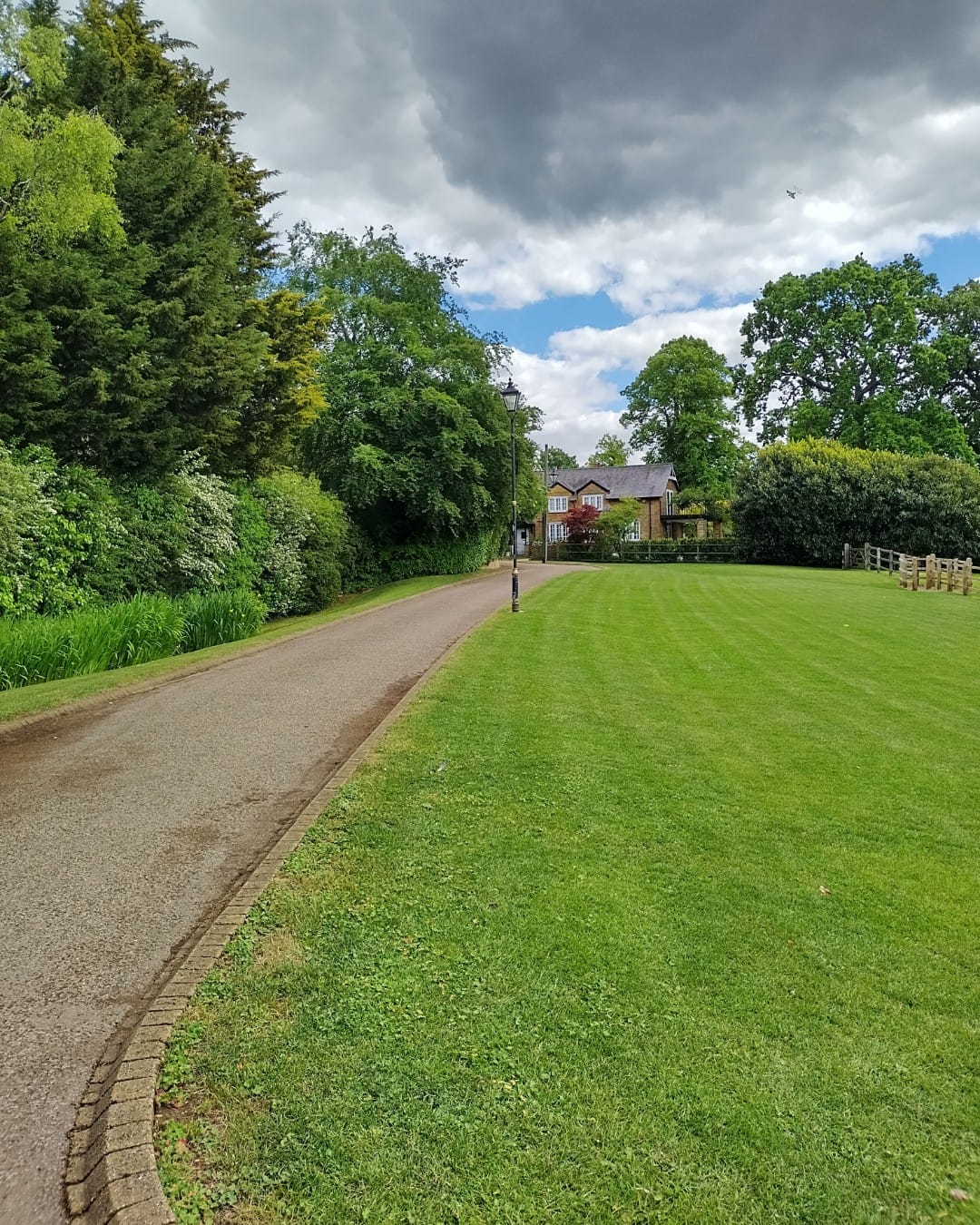
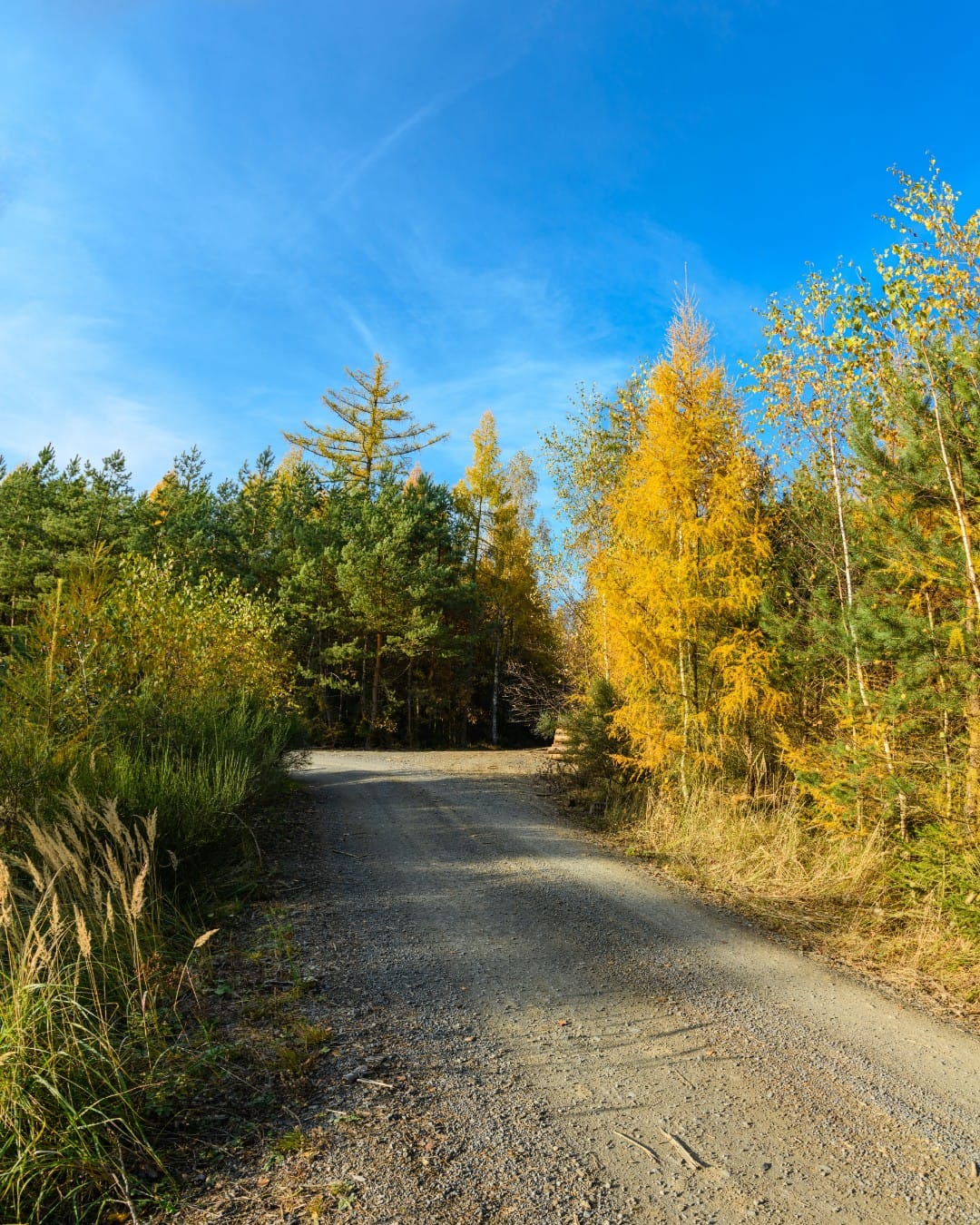
Potholes, ruts and a drive that turns soft after a storm are a base and drainage problem before they are a rock problem. We fix the base, set the slope, then lay the surface. Gravel, millings or crushed concrete, graded to shed water instead of hold it.
Office hours Monday to Friday, 8am to 5pm. Storm calls are prioritized ahead of routine work.
- 30+ years in Brevard
- Licensed and insured
- Grading and drainage in house
Six kinds of driveway work
What we do on a rock drive
Our 30 years on Brevard properties covers driveways as well as trees, with a scope that stops at the list below. We do not pave, pour or seal.
 01
01New driveway installation
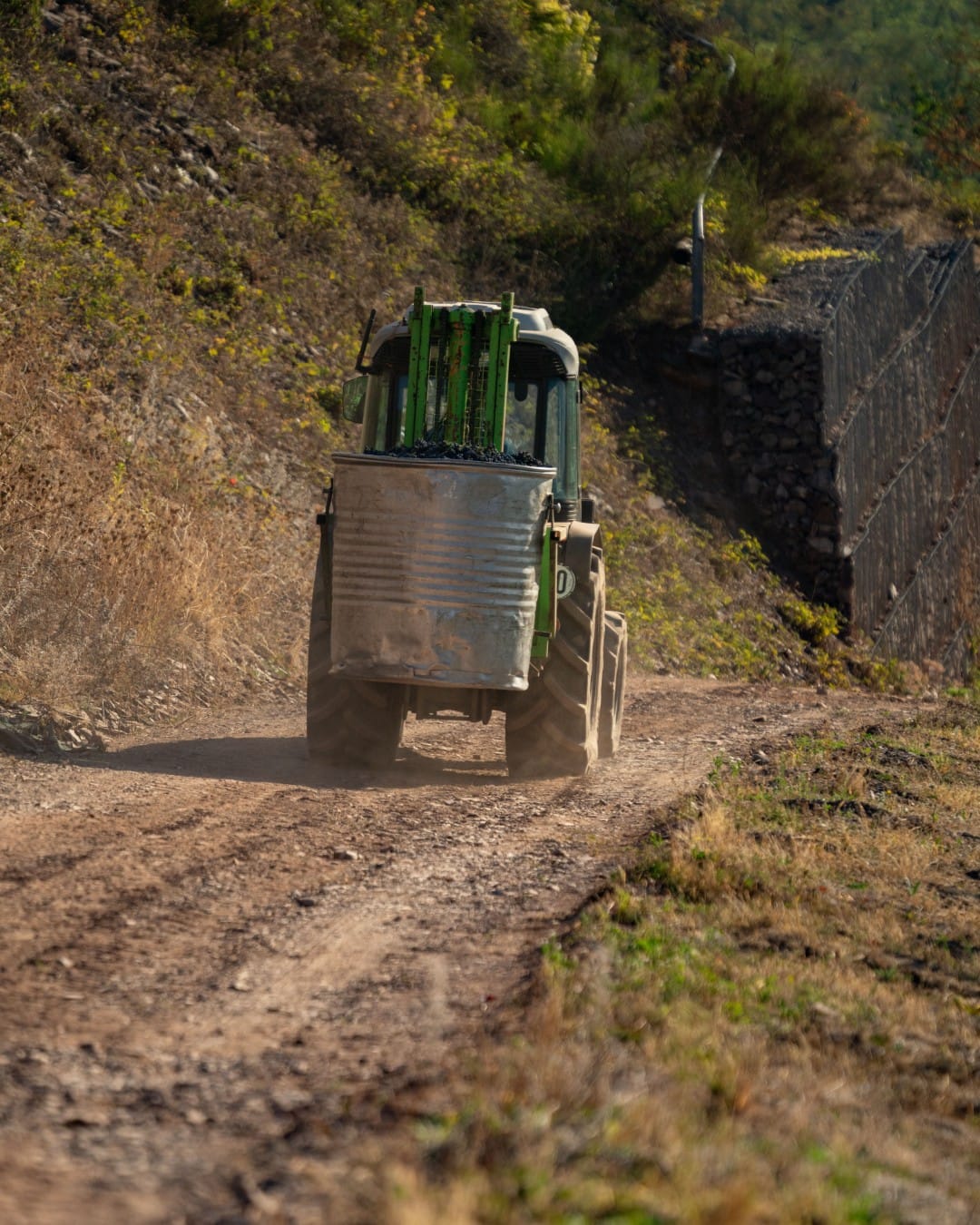
Full prep before any surface goes down: strip, grade, base layers and drainage. Then gravel, millings or crushed concrete on top of ground that was built to hold it.
 02
02Resurfacing and gravel refill
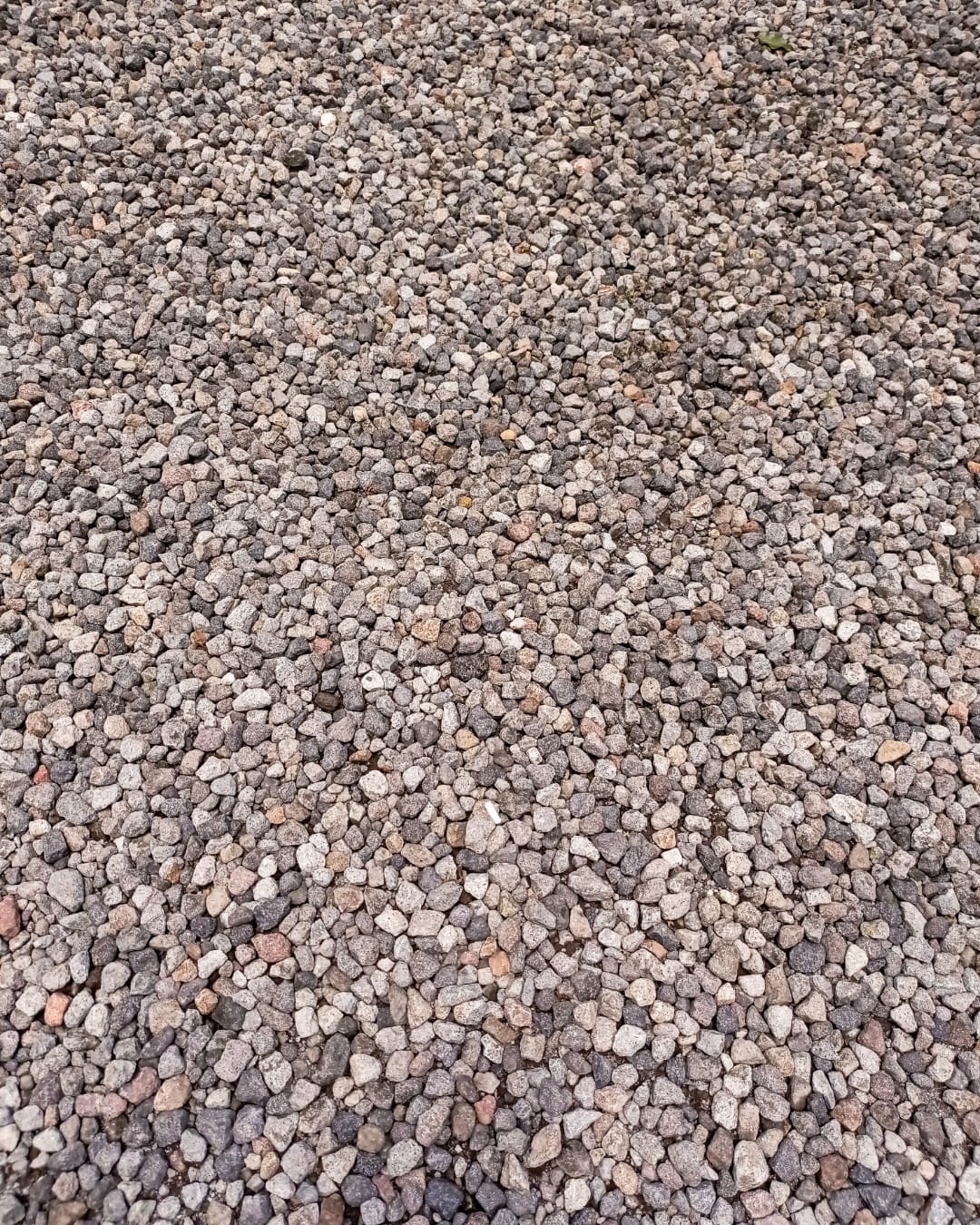
Ruts and low spots filled, the whole run topped off and compacted. The surface comes back smooth and stable, and it drains the way it was meant to.
 03
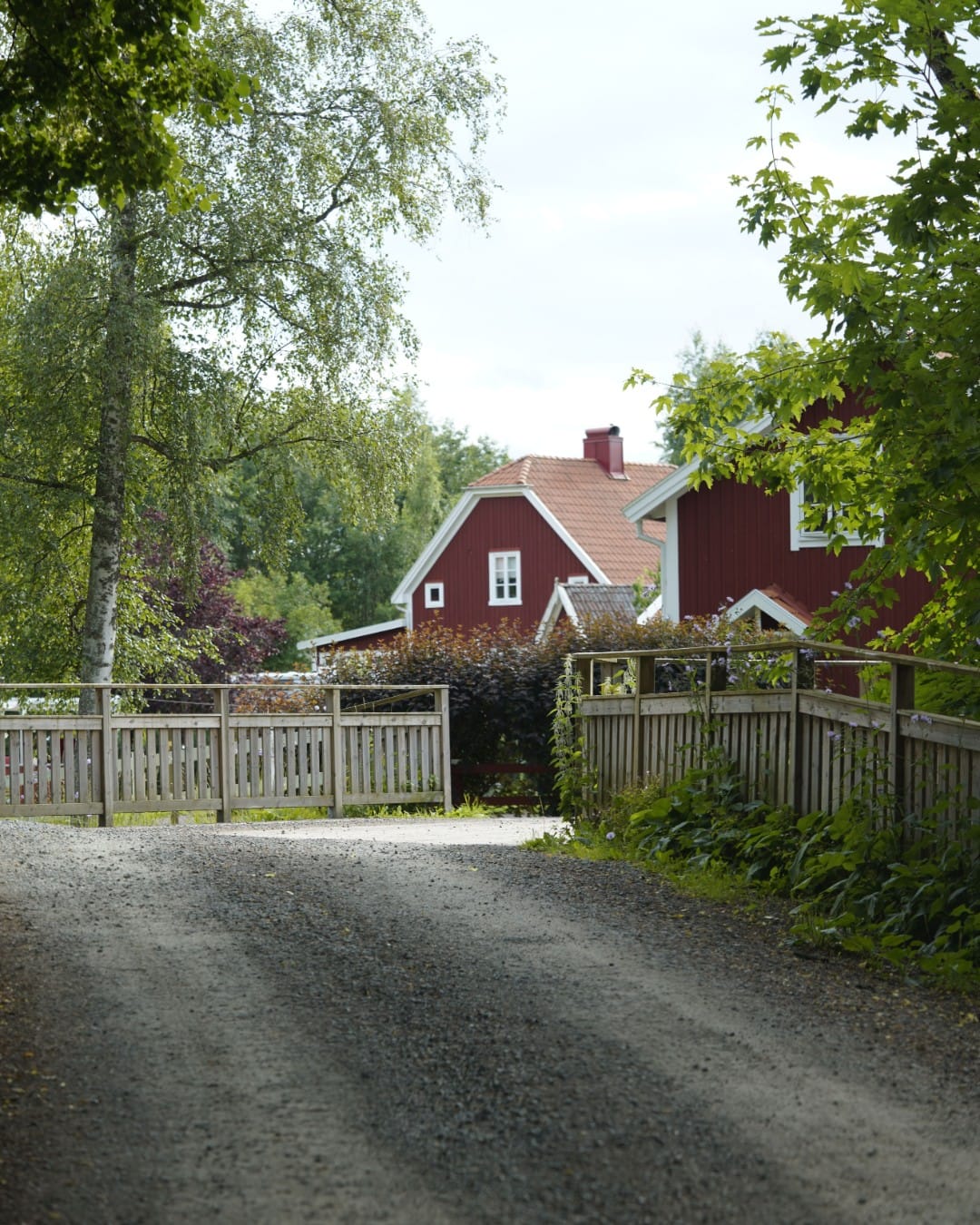
03Grading and drainage
Slope is what keeps rock where you put it. We crown or cross-slope the run and cut swales or channels so the water leaves instead of standing in the wheel tracks.
 04
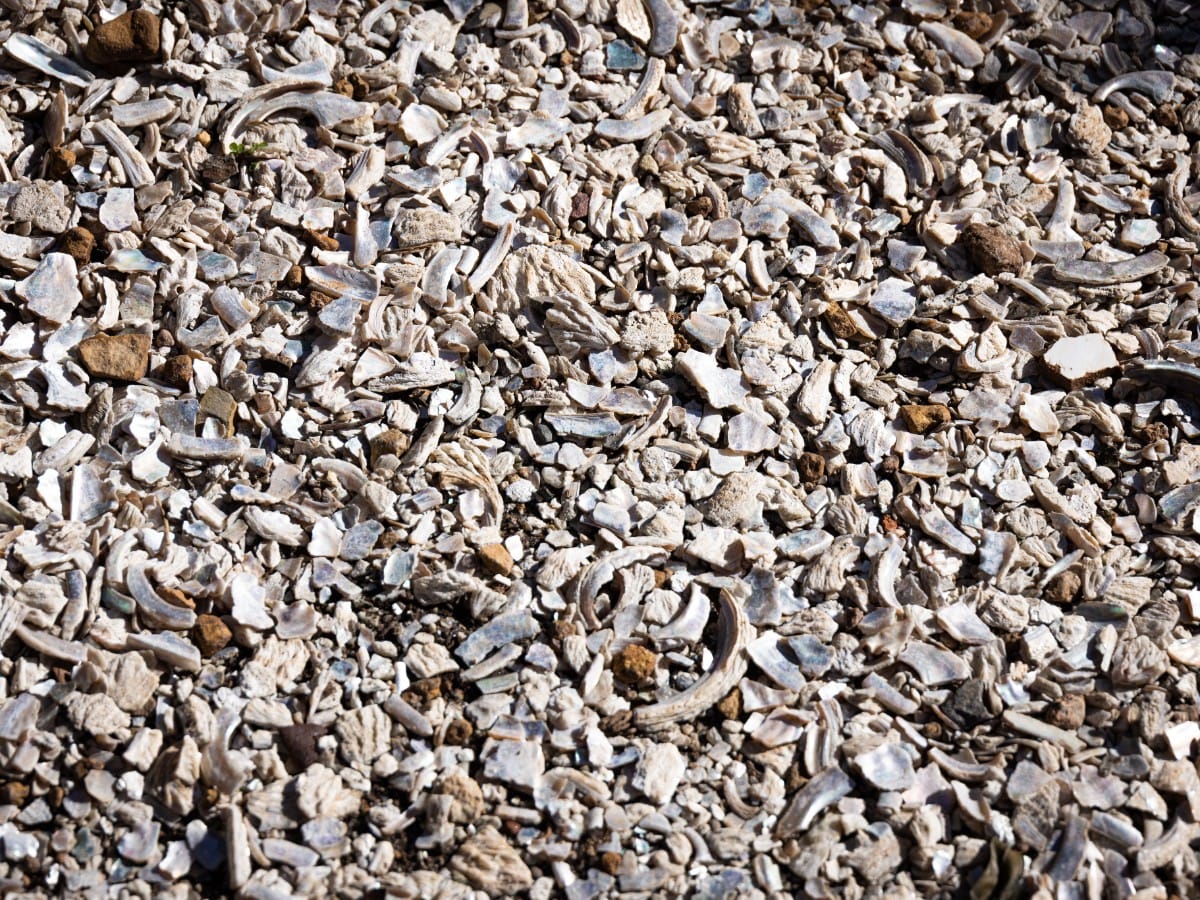
04Millings and crushed concrete
Recycled asphalt millings and crushed concrete lock up tighter than round gravel and hold a firmer surface under trucks, trailers and RVs. Both cost less than new stone.
 05
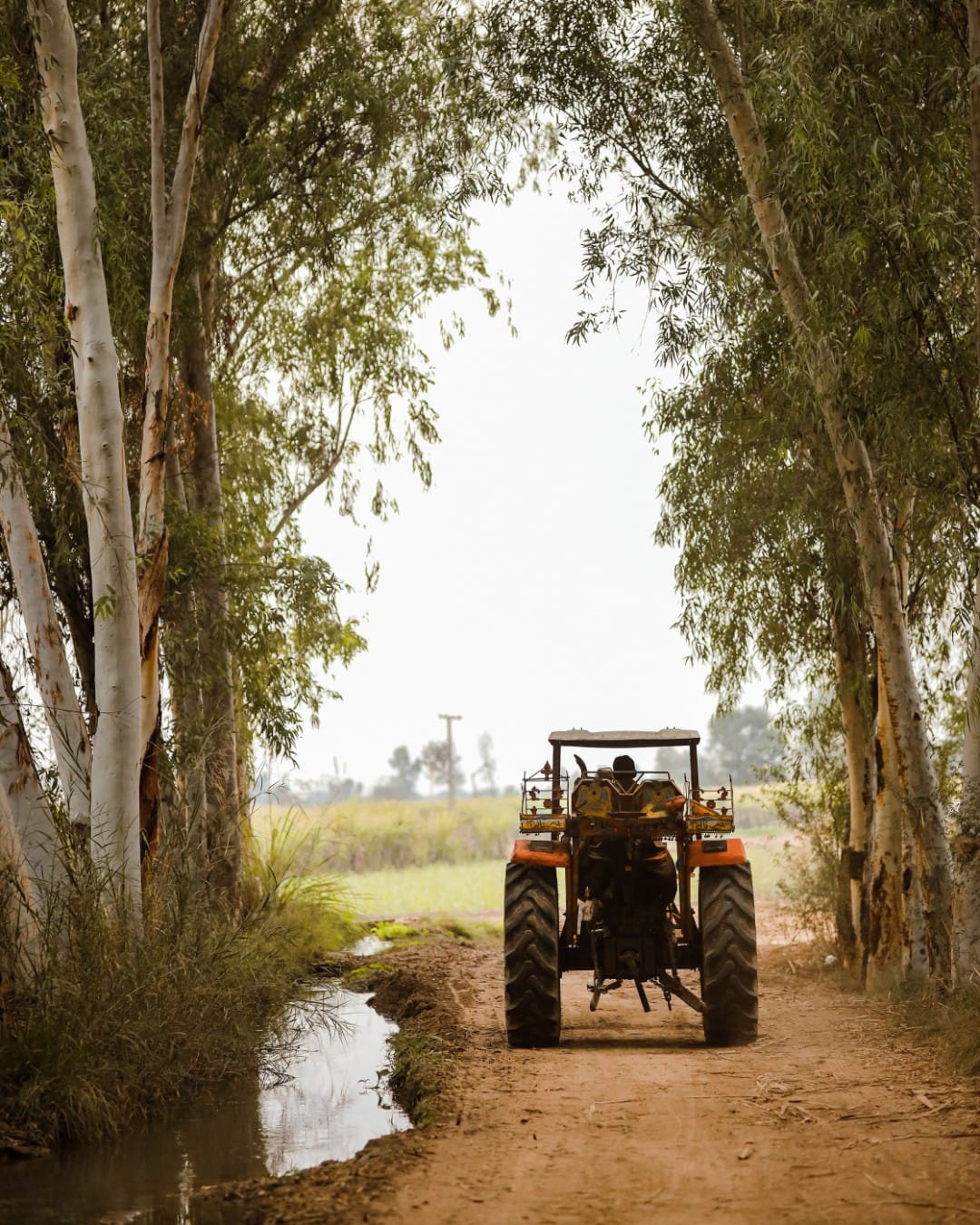
05Pothole and washout repair
After a storm season the holes come back in the same places, because that is where the water goes. We cut them out, reinforce the spot and fix the slope that made it, not just the hole.
 06
06Maintenance plans
For long drives, private roads and commercial sites: scheduled refills, regrading and compacting on a set visit so the surface never gets far enough gone to need rebuilding.
How it goes
From a rutted drive to one that drains
Walk the drive with you
Where the water comes from, where it currently goes, which spots stay soft and how heavy the traffic is. The holes tell us most of it before you say a word.
Pick the material
Gravel, millings or crushed concrete, chosen for what actually drives on it. A drive that sees a loaded trailer every week is not the same job as one that sees two cars.
Fix the base first
Soft spots get dug out and filled, and a run with no base underneath gets one. Rock laid over a bad base is a surface that fails again by the next wet season.
Set the slope
We crown the run or cross-slope it toward one side, and cut a swale or channel where the water needs somewhere to go. This is the step that decides whether the rest lasts.
Surface and compact
The rock goes down and gets compacted rather than dumped and raked, so it packs instead of migrating to the edges the first time you drive on it.

The equipment
The machines that build the drive
Tractor
- On the job
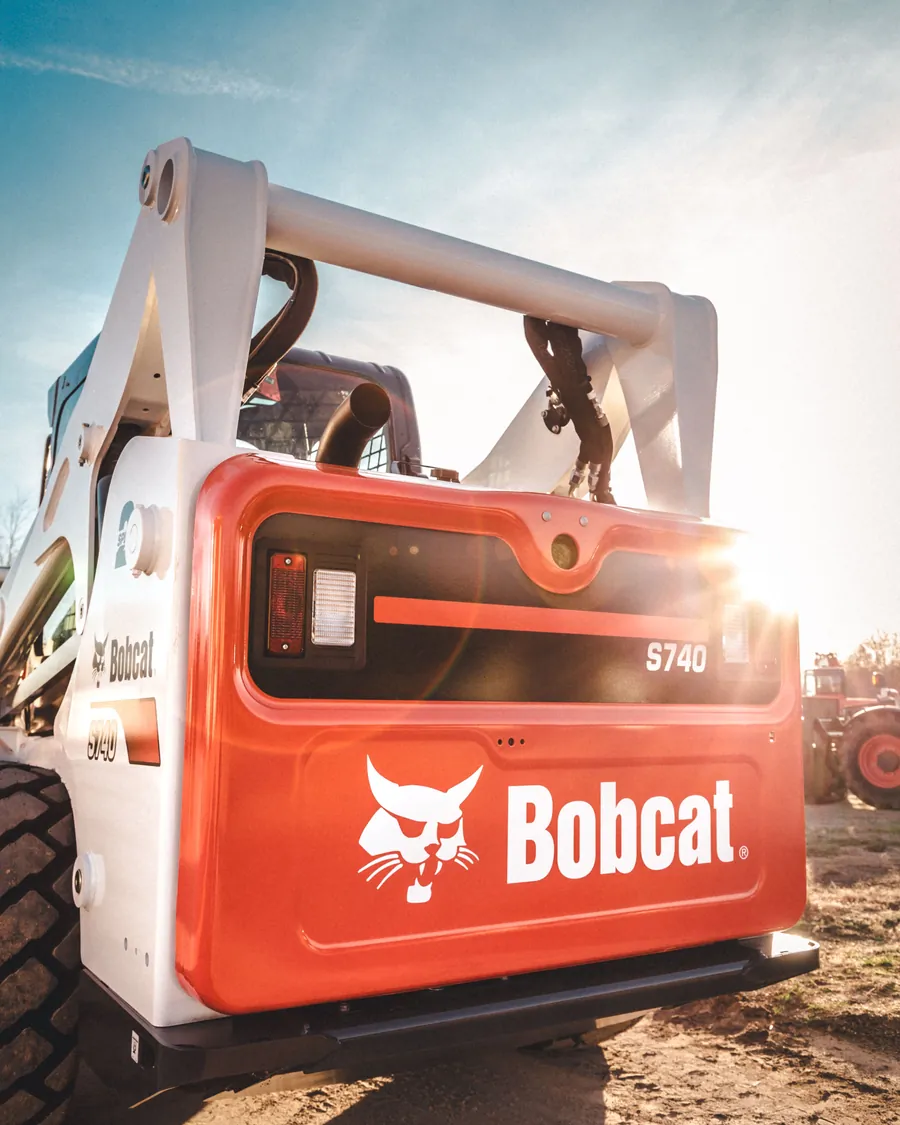
- Cuts the grade, pulls the crown and levels the run before and after the rock goes down.
- Why it matters
- Slope is the whole job. A drive graded by eye with a shovel is the one that washes out in the first heavy week.
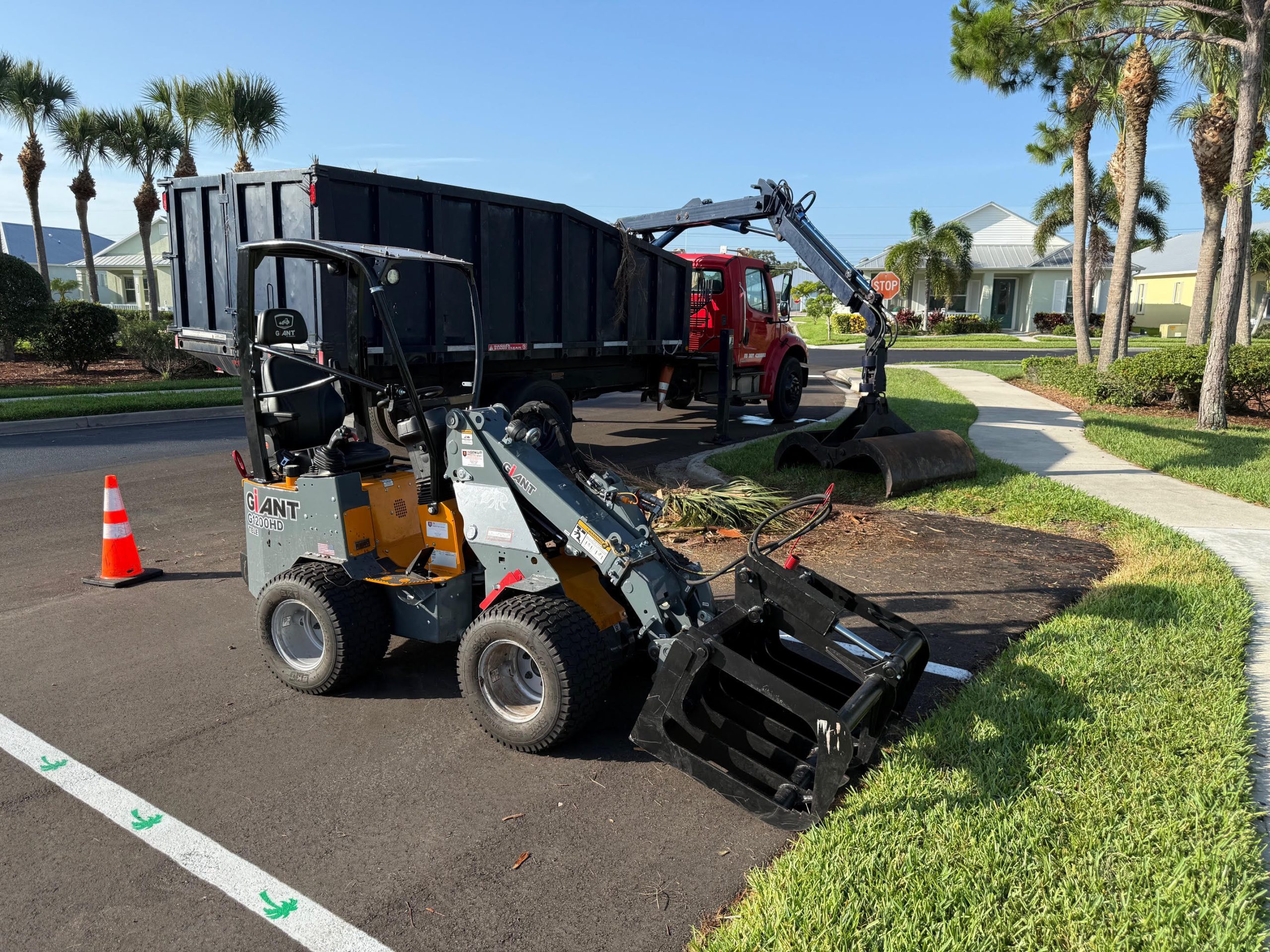
Giant mini loader
- On the job
- Moves material down narrow runs and into spots a truck cannot back into, on tracks.
- Why it matters
- It spreads its weight instead of concentrating it, which is what keeps turf, pavers and septic fields whole on the way past.
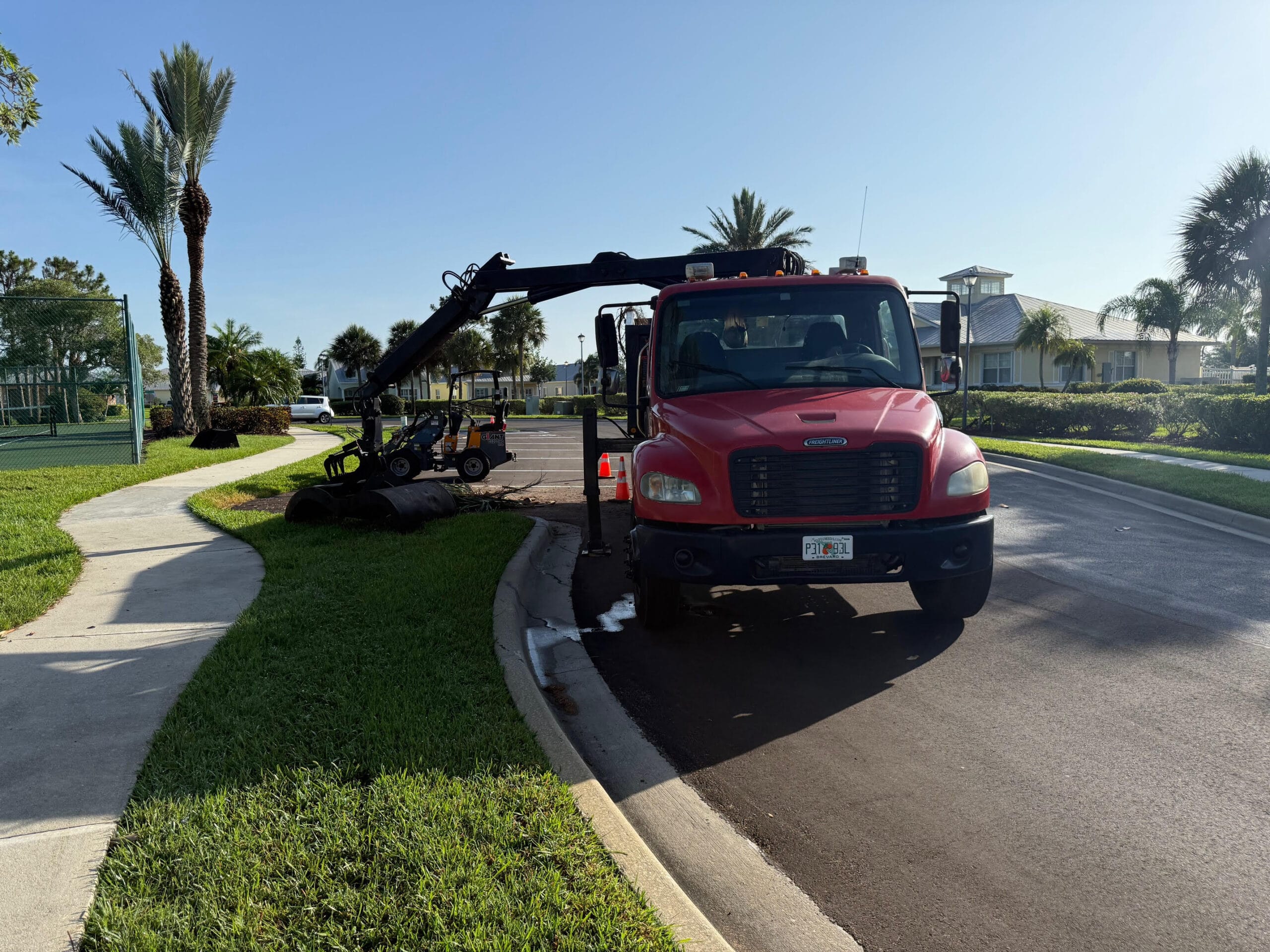
Grapple truck
- On the job
- Clears what is lying on the drive before work starts: storm debris, limbs, old fill and anything the last crew left.
- Why it matters
- Nobody loads a blocked drive by hand. It also means a tree across the entrance and the driveway repair underneath it are one visit.
Next step
Send photos of the drive and the low spots.
A shot from the road, a shot from the house and a close one of the worst hole will tell us most of what we need. We come out, walk it and send an estimate.
Monday to Friday, 8am to 5pm. Email Tim@TRLawnTree.com with photos any time.